
Nowadays, e-commerce is making its biggest profit yet. Physical stores are continuing to struggle against the convenience of online shops, which has led to the closure of a large number of stores. Even the biggest international brands and department stores have taken a hit. In the last two years or so, these retailers have shut down an incredible amount of locations. It’s expected that this trend will continue this year as well. No industry is safe. Home good stores, clothing stores, and even electronic stores have all been affected. Read on to find out if your favorite stores are shutting down any or all of their stores this year!

Say Goodbye To These Stores In 2019
Payless
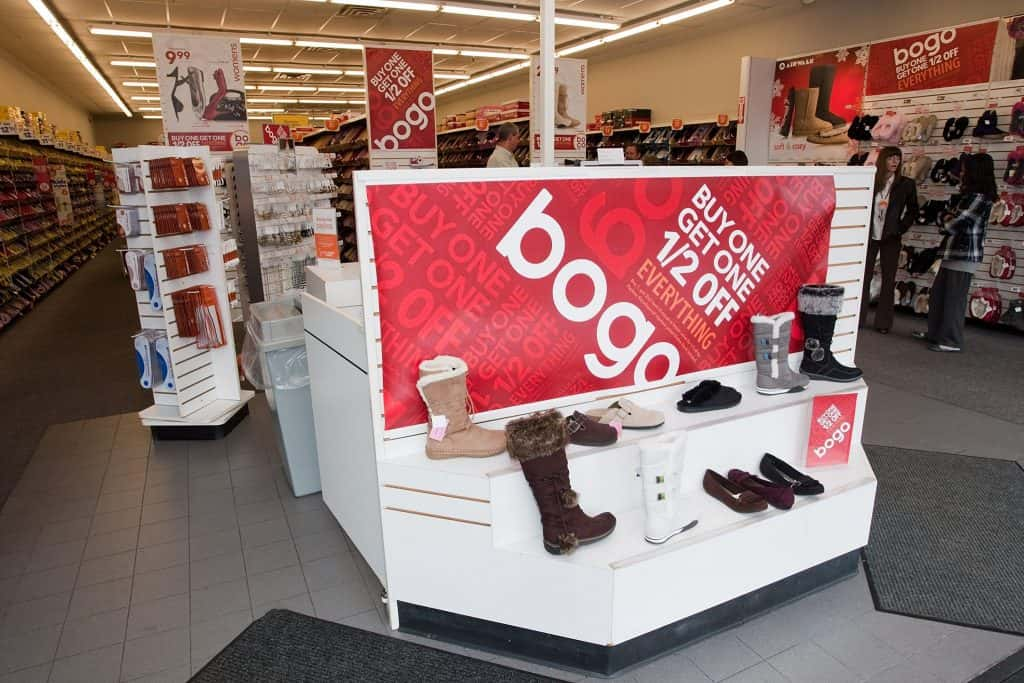
Among the stores we’ll be talking about, Payless ShoeSource has had the largest number of closings this year. As of now, they are shutting down over 2,500 stores that are holding liquidation sales to finish their merchandise. Despite the fact that they’re keeping some of the locations open for the time being, others have already closed.
Payless
Gymboree
Back in January, Children’s clothing brand, Gymboree Group Inc. had filed for Chapter 11 bankruptcy protection. On top of that, they announced that they plan on closing down around 800 Crazy 8 and Gymboree stores all across North America. The company even stopped processing online sales, but in the stores, liquidation sales are still going on. This isn’t the first time Gymboree filed for bankruptcy. They also shut down a number of stores back in 2017.
Gymboree
Charlotte Russe
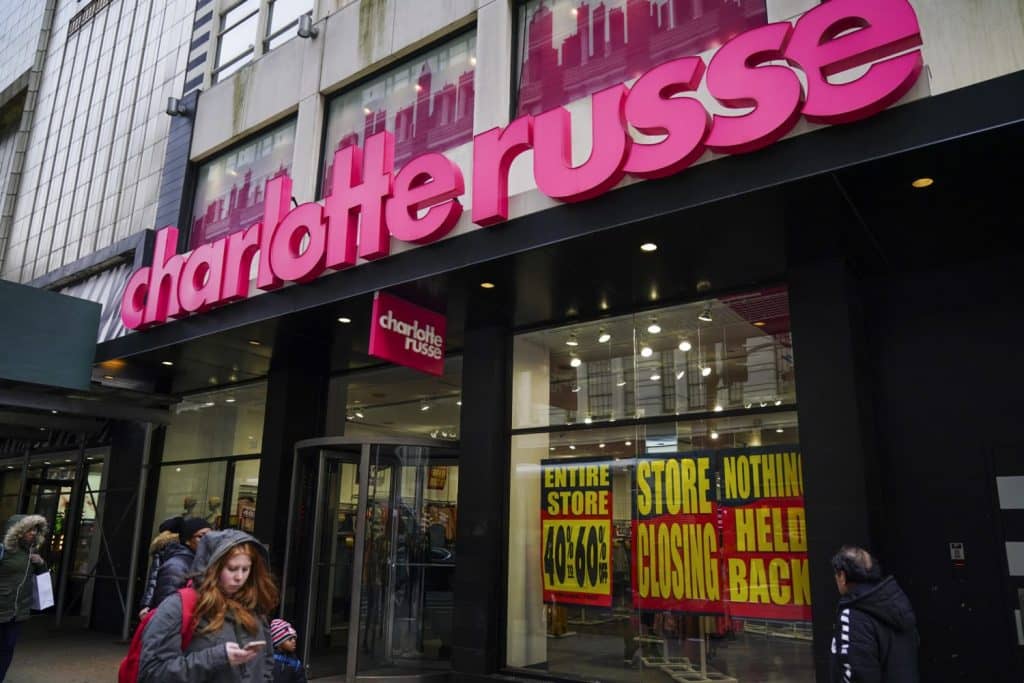
Last March, Charlotte Russe has verified claims that the whole chain, which has over 500 stores nationwide, will be closing down.While many already know they had 94 stores closing from a closure announcement that came before this one, a lot of remaining locations will be closed by the end of April. The brand no longer accepts online sales, but customers were given an opportunity to shop at their in-store liquidation sales in different locations.
Charlotte Russe
Shopko
Shopko announced its plan on shutting almost 70% of its locations by May. Eventually, the company also announced that it’s closing down for good. The Company filed for bankruptcy in January, initially hoping that a buyer will save the locations that are left. Sadly, that didn’t work out. The current plan is liquidating all the assets and then close the rest of the stores by June.

Shopko
Gap
Gap Inc. is going to close down about 230 of its stores in the next couple of years. This makes up almost half of its branches all over the world. The company plans on turning Old Navy, its sister company, into a separate business seeing as it’s doing better than both Gap and Banana Republic in terms of sales. However, the Gap stores that will stay open along with Athleta, Banana Republic, Hill City, and Intermix, will begin to operate under NewCo.

Gap
H&M
Who would have ever thought that H&M might not be the staple it was when this year ends? The clothing retailer wants to optimize its business and it announced the closure of 160 stores this year. They’re making this move since the U.S. is a rather difficult market for the brand. All the same, the fashion giant plans on opening 355 more stores this year, while most of them won’t be in the United States and Europe.

H&M
Starbucks
As they announced last summer, Starbucks plans on permanently closing 150 of its underperforming stores this year. That’s more or less triple the stores they usually close down in one fiscal year. The company explained that the closures will happen in bigger cities with oversaturated markets. Their locations in these places only tend to cannibalize each other.

Starbucks
The Children’s Place
The Children’s Place had announced that it had a plan to close down 300 stores by the end of the year. Forbes has said that the children’s retailer has previously closed down 191 stores by the end of last year. However, it still plans on closing another 100 underperforming locations. The company also intends to boost its presence online in hopes of increasing profits.

The Children’s Place
Performance Bicycle
We have bad news for all you cyclists out there. Performance Bicycle is going to be a thing of the past soon. The nation’s biggest retailer, along with its 104 locations, will be closing down. Last fall, Advanced Sports Enterprises, its parent company, filed for Chapter 11 bankruptcy. While the corporation hoped to keep at least half of the locations open with new leases, it decided it would be better to shut down the entire brand instead.

Performance Bicycle
Sears
Sears Holding is the owner of both Kmart and the store. It announced that it’ll shut down about 89 locations by the end of March. The whole list of stores that are closing shows that it will happen across the country, while the states that are impacted the most happen to be Florida and Texas. In each of those states, 7 locations will be closing down.

Sears
Vera Bradley
It seems like Vera Bradley is rethinking its strategy. It’s putting more attention on licensing rather than its brick-and-mortar stores. The company is planning on selling its home products using other retail chains like Macy’s and Bed Bath and Beyond instead. When it comes to full-line stores, the company plans on shutting down as many as 50 locations, almost half of its overall stores, by 2021. This is the time most of the leases are due to expire. However, customers can still go to the 52 remaining factory outlets of the store.

Vera Bradley
Abercrombie & Fitch
Abercrombie & Fitch plans on shutting down 40 stores next February – most of which are in the U.S. This is a slight increase from the number of stores it closed in 2018. However, there is still some good news. According to Business Insider, a company spokesman announced that the company will keep investing in the stores by “delivering approximately 85 new experiences, including 40 new stores, with continued reduction in overall square footage.”
Abercrombie Fitch
Christopher & Banks
At the end of 2018, Christopher & Banks announced its plans to shut down 30-40 locations in the following two years. Keep in mind that this doesn’t necessarily mean that sales are down for the women’s retailer. In fact, the company has said that it saw a rise in e-commerce and expects an increase in its sales this year.
Christopher & Banks
Victoria’s Secret
Back in 2018, the lingerie and womenswear retailer went on to close down 30 stores. More closures are expected this year. Earlier this year, L Brand, its parent company, announced that they will close another 53 Victoria’s Secret locations. The closures amount to 4% of their 1,143 stores all around the world.
Victoria’s Secret
Henri Bendel
All two dozen Henri Bendel locations in the country shut down in early 2019. L Brand, its parent company, announced that Bendel’s website and stores – including the Fifth Avenue store in New York – would close down. The company decided to focus more on brands with better potential like Bath & Body Works and Victoria’s Secret.
Henri Bendel
Chico’s
Chico’s FAS is the parent company of Chico’s. Recently, it confirmed that the women’s clothing retailer will be shutting down a total of 250 locations in the next three years. Aside from affecting its namesake, this will also affect the two older brands under the company: Soma and White House Black Market. However, they haven’t yet confirmed which locations will be affected.
Chico’s
Family Dollar
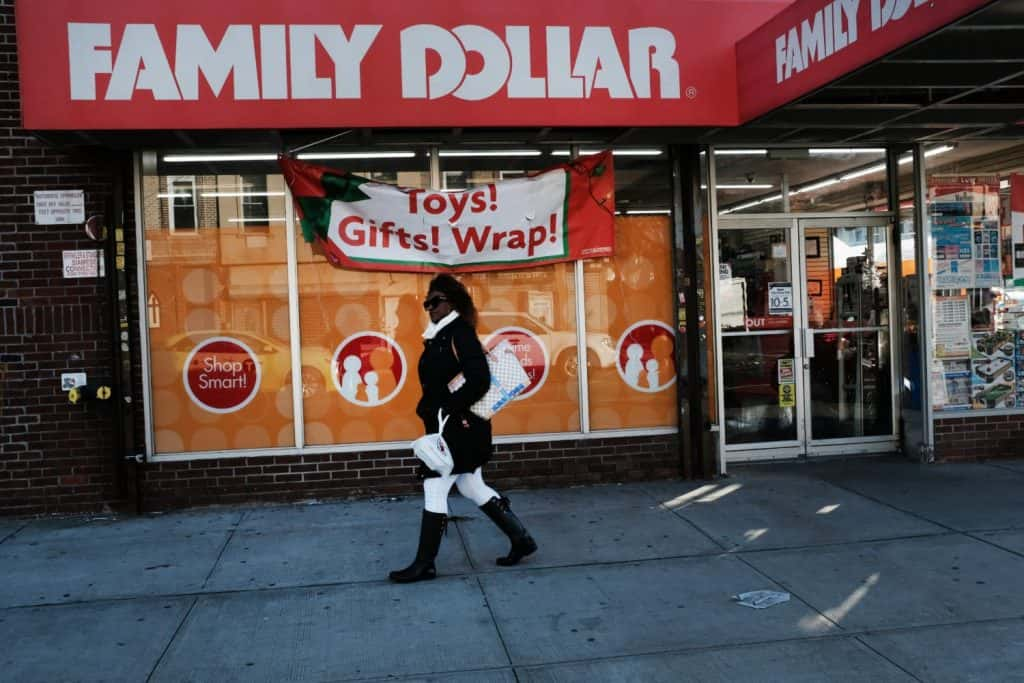
Sadly, Family Dollar is another company that might not be around for much more. The discount retailer has announced it will be closing down as many as 390 stores this year. Meaning its consumers will have to look for other places to shop for cheap personal care products and other essentials. This company also switched the name of about 200 locations. It’s not the only change they’re making to the remaining branches, however, They will likely try and charge over a dollar for items in some of them.
Family Dollar
e.l.f. Cosmetics
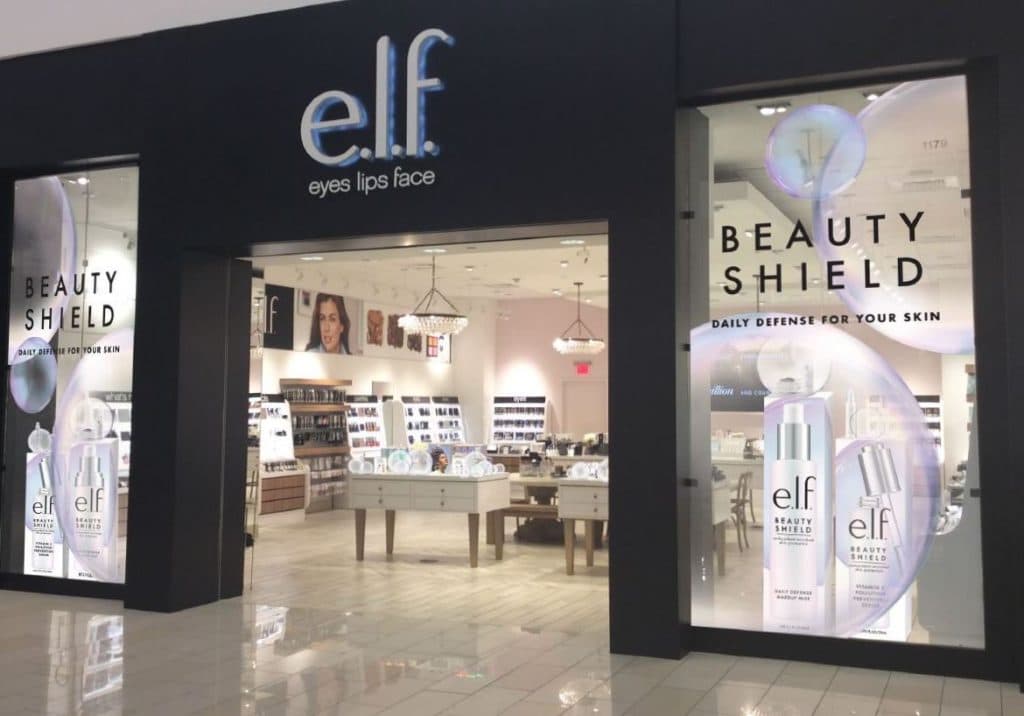
Just like many other stores on this list, e.l.f Cosmetics is saying goodbye to the physical stores and focusing more on e-commerce. The beauty brand planned on closing all of its 22 physical stores by the end of March. If you’re a fan of their products, don’t worry. Their website is already up and running. In addition, they will also keep on selling their items in different drugstores.
e.l.f. Cosmetics
J.C. Penney
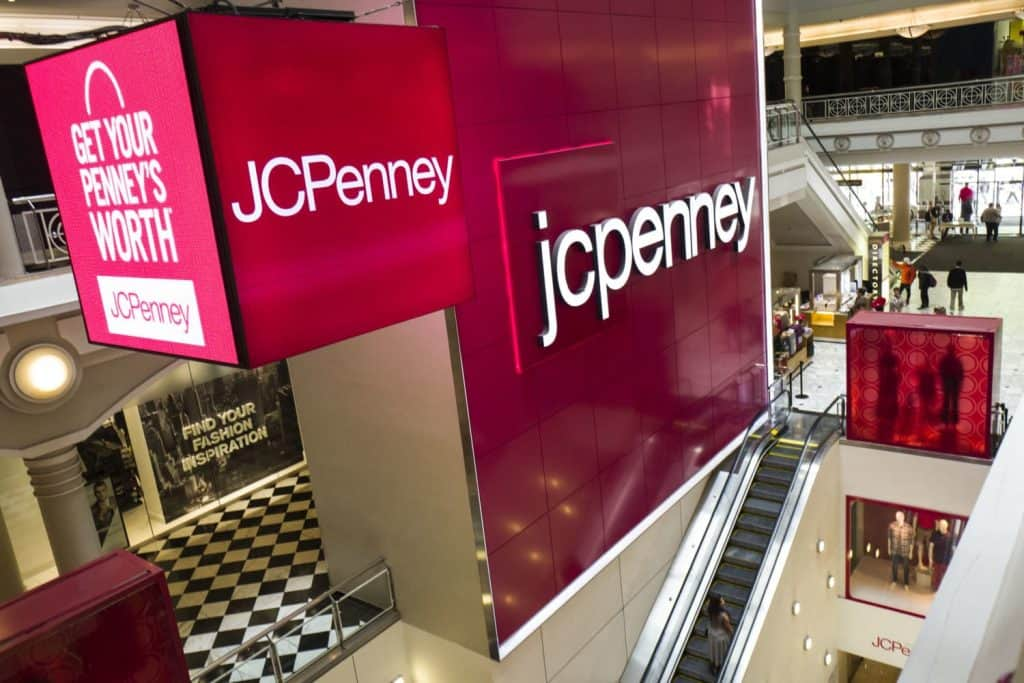
We all know J.C. Penny since it’s been a staple store in malls for decades now. However, it’s not immune to poor sales. After doing poorly during the holiday season and dropping in stock value, the company decided on shutting down 18 department stores this year. It also shut down 9 furniture stores, so the total amount of stores closed is currently at 27.
J.C. Penney
Z Gallerie
Another retailer that had to file for bankruptcy recently is none other than Z Gallerie. The home furniture brand hopes to find a buyer who will keep it up and running. However, until that happens, it’s closing down 17 stores. This makes up for about a fifth of the 75 locations it has nationwide.

Z Gallerie
Destination Maternity
Destination Maternity Corp. has decided to cut down on physical stores in an effort to give the company new life and improve the brand’s online presence. The retailer is planning on shutting down between 42 to 67 locations by the end of the year. It hopes to reduce store expenses by expanding its digital presence. USA Today has said that it plans on trying locations “with reduced square footage to drive higher productivity.”

Destination Maternity
Beauty Brands
Beauty Brands announced late last year that it plans on closing 25 of its stores. The company not only laid off corporate staff members, but it also filed for bankruptcy last January. During the filing, the brand said that it suffered from the higher costs of being “a predominantly brick and mortar retailer.”

Beauty Brands
Things Remembered
Despite the fact that Things Remembered filed for bankruptcy last February, it found a buyer who was willing to save the remaining locations in the country. Enesco LLC bought 176 stores from the retailer, which is known for selling personalized and engraved products. However, this new development will transform the company into a smaller version of its old self. While in bankruptcy, the retailer had 450 locations. As you can see, over 250 stores will be closing.

Things Remembered
Ascena Retail
The parent company of different womenswear brands, Ascena Retail owns companies like Ann Taylor, Dress Barn, Lane Bryant, and Loft. Sadly, it experienced a decline in sales over the past two years or so. In an effort to counteract this, the company plans on shutting down hundreds of locations all across its brands. About 667 stores will be closing – 400 of those will close down by July.

Ascena Retail
Southeastern Grocers
Even supermarkets aren’t immune to bad sales. Southeastern Grocers, the parent company of Winn-Dixie, Harveys, and Bi-Lo, recently announced that it intends on shutting down 22 stores by March 25. The company made this decision less than a year after it came from Chapter 11 bankruptcy, which already led to 94 closures. Of the three brands, Bi-Lo will suffer the most, with 13 stores closing.

Southeastern Grocers
Lord & Taylor
After being open for over a century, Lord & Taylor shut down the flagship store on Fifth Avenue last year. Unfortunately, that wasn’t the end of it. There are more closures on the way with about 10 more locations being closed by the end of the year. However, they haven’t disclosed the affected locations yet.

Lord & Taylor
Foot Locker
Foot Locker Inc. is set to close down a total of 165 stores this year, according to the announcement it made last March. However, it plans on spending millions of dollars on upgrading the locations that will stay open. This move was made in the hopes of improving profit for the shoe retailer. Shareholders were quite surprised when it did better than they expected in the final quarter last year.

Foot Locker
Macy’s
Earlier this year, Macy’s shut down a total of 8 stores. These closures are only a part of numerous planned closures that the company announced a couple of years ago. These closures affected two California locations, and one in each of these states: Indiana, Massachusetts, New York, Washington, Wyoming, and Virginia.

Macy’s
J. Crew
It looks like J. Crew can’t stay out of the headlines lately. After the company lost its CEO last year, the brand decided to kick off the new year by shutting down 6 of its stores. These closures were a part of an ongoing plan to close down 30 stores. This move was already announced by the company last summer. However, it has yet to reveal the exact number of closures that it has planned.

J. Crew
99 Cents Only
This retail company offers discount products. It has found itself in a difficult situation due to its competition from other companies like the Dollar Tree, Walmart, and Dollar General. It even went on to report a net loss of $27.1 million in December 2017. The 35-year-old company has tried turning the tide, but with no luck.
99 Cents Only
GNC
Back in 2017, GNC’s gross revenue fell 3.4% year after year to about $2.5 billion, while it had debt worth $1.3 billion. The chief executive of the company said it was doing well in China and on e-commerce in the second quarter of 2018. The company has also reported that it would sell 40% of its shares to a Chinese pharma company. Said company will then promote, sell, and distribute GNC products in China.
GNC
Office Depot
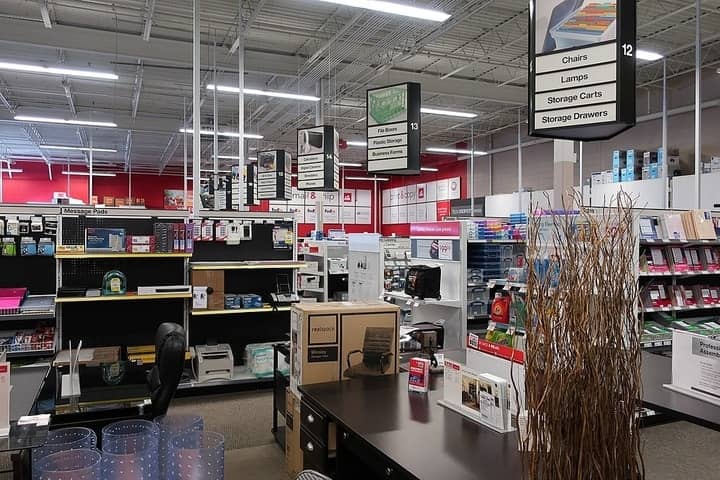
This office supplies retailer experienced some difficult times in 2017. Its sales dropped 7% to $10.2 billion. The CEO of Office Depot, Gerry Smith, announced that the company would shift from doing only retail sales to providing services. RetailDive has said that the new emphasis is increasing the top-line company. Office Depot now provides a business to business service. It’s a subscription program named the “BizBox”.
Office Depot
Vitamin Shoppe
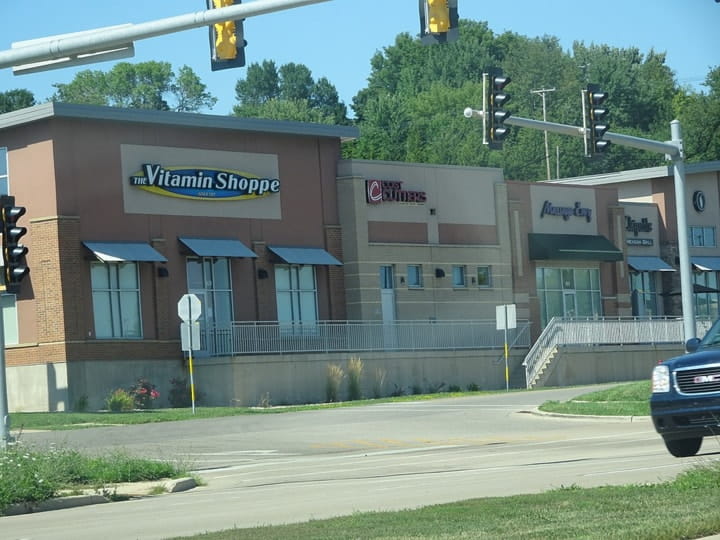
Vitamin retailers seem to have similar struggles in their sales just like GNC and now, Vitamin Shoppe. Like GNC, it has shifted into making its e-commerce business and subscription service. RetailDive said that the struggle Vitamin Shoppe and GNC is going through is because of the decreasing popularity of malls as well as the increasing number of supplement store competitors.
Vitamin Shoppe
Neiman Marcus
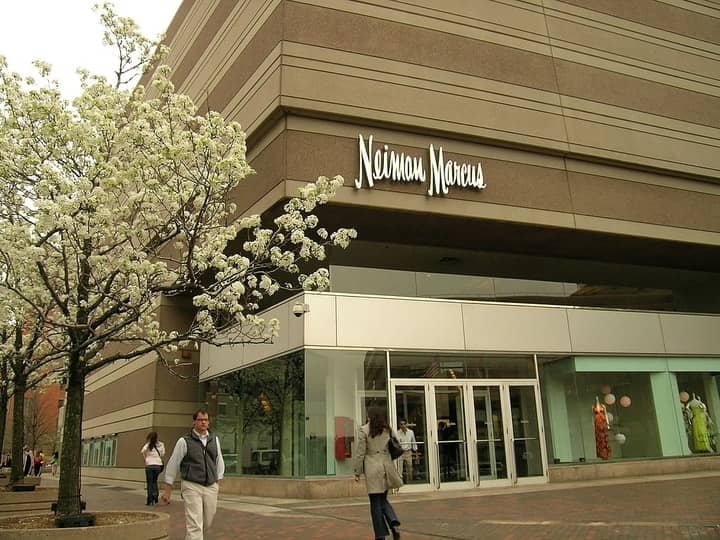
This luxury clothes retailer saw a 5% drop in its top-line sales to $4.7 billion in the 2017 fiscal year. The brand tried several things to make some improvements and RetailDive said they seemed to be working well. However, the company’s interest expenses are still a big burden.
Neiman Marcus
Bebe
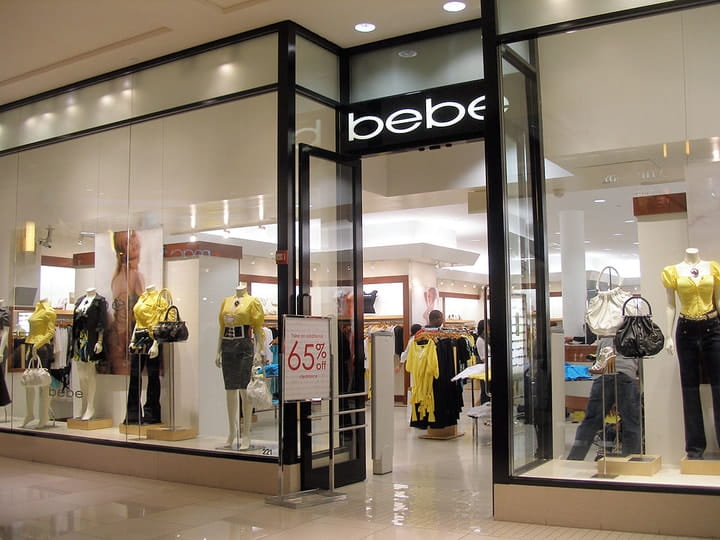
Bebe’s sales began declining when Neda Mashouf, its creative director, left after she divorced her husband in 2007. Manny Mashouf founded the company in 1979. The declining popularity of malls had a major part in the challenges that Bebe is facing now. It reportedly had an operating loss of $4.6 billion in 2017. To try and remedy the situation, the company stayed away from its usual retail space. It paid out $65 million to close physical stores and focus more on e-commerce.
Bebe
Pier 1 Imports
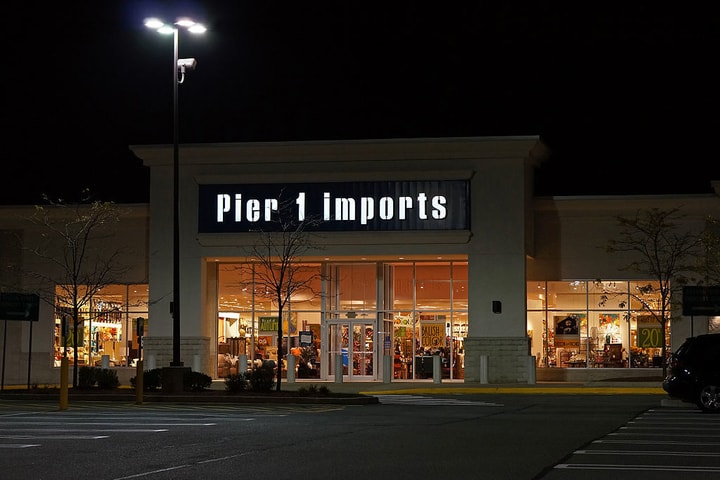
In the first quarter of 2018, Pier 1 experienced a 9.2% drop in net sales. This translates to $371.9 million years over year. The company’s credit rating was also downgraded by S&P Global analysts. To top it off, Trump’s 10% tariff against Chinese goods is another problem they faced. Pier 1 once reported that more than half of their goods are made in China.
Pier 1
Lands’ End
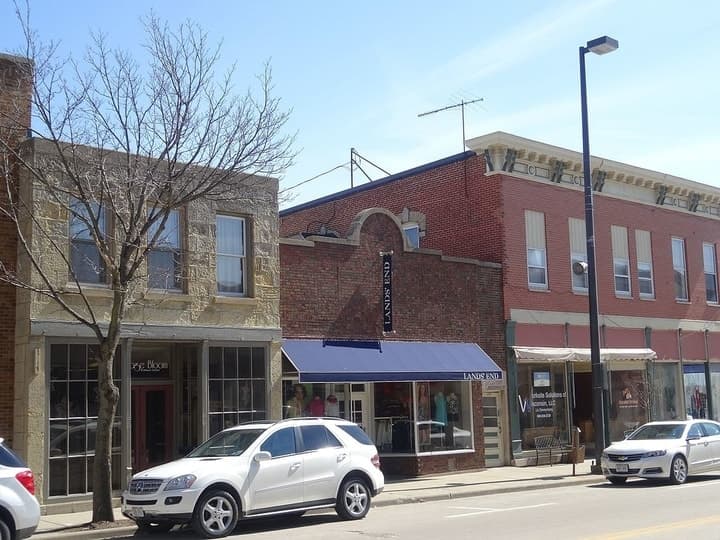
Land’s End specializes in clothing, luggage, and home furnishings. However, customers don’t seem to appreciate this much anymore. The company’s association with Sears is the original cause of its troubles. Sears went in a different direction in 2013. One brand was the youthful Canvas brand that aimed to attract customers who were fashion-forward. Canvas wanted to feature clothes in “designer styles to relaxed looks”. Despite being trendy, the brand didn’t get its target clientele onboard.
Lands’ End
Guitar Center
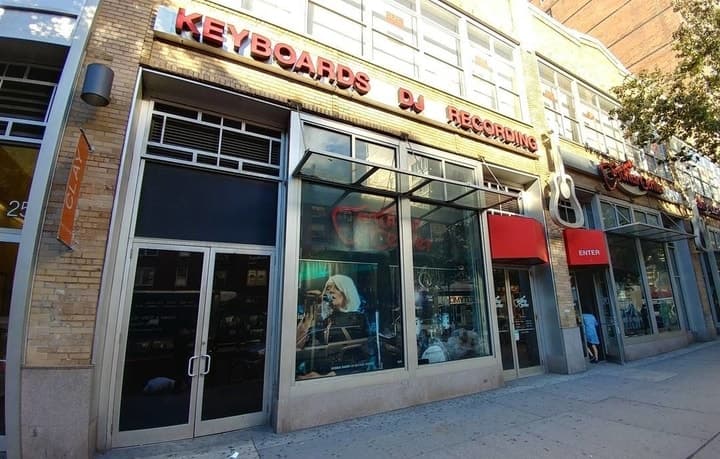
Back in 2108, the guitar shop was given one year to pay off a $900 million debt. The company has been around for more than 50 years now, but it looks like people don’t buy as many guitars as they used to. CheatSheet has reported that the store’s sales for electric guitars fell 36% between 2005 and 2016.
Guitar Center
Nine West
The shoe retailer currently has a debt of $1.5 billion and is in the process of negotiating to restructure it. It’s been said that this includes selling parts of the company in addition to filing for Chapter 11 bankruptcy. In an attempt to stay afloat, the company sold off Easy Spirit, another of its brands.
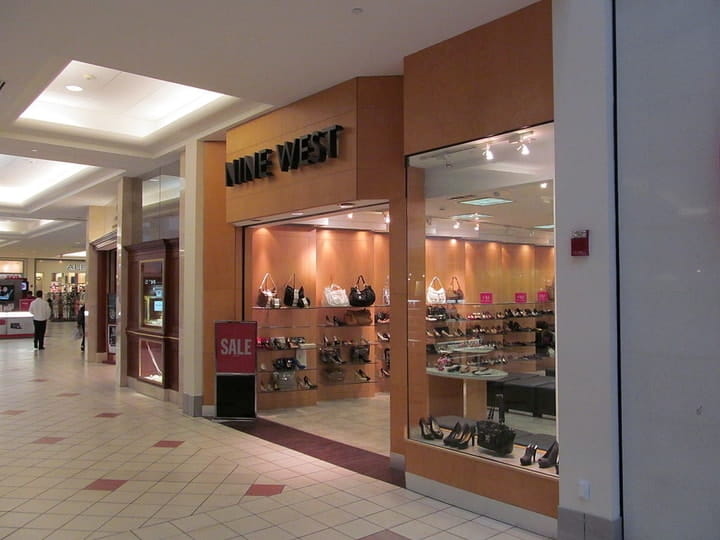
Nine West
David’s Bridal
Nowadays, more and more brands choose to have more casual attires and cheaper weddings. That’s the reason those in the wedding industry like David’s Bridal are going through drops in their sales. The wedding dress superstore sees some serious challenges.
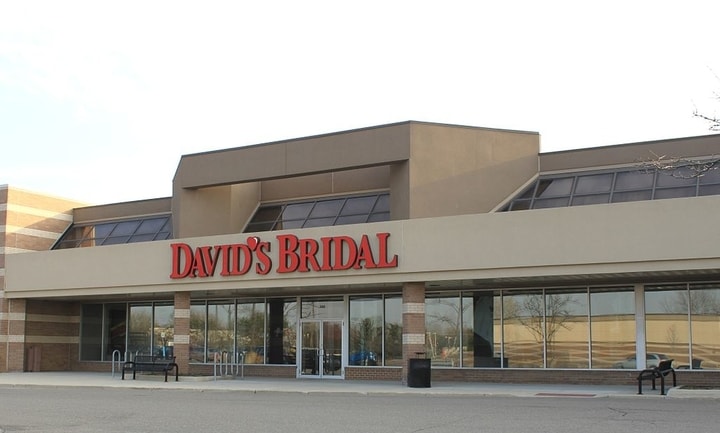
David’s Bridal
Cole Haan
In 2018, USA Today included Cole Haan on their list of 26 companies that are most at risk. The company even tried to appeal to the rising trend of athletic shoes by changing its image and focusing on sneakers more than dress shoes. Cole Haan was owned by Nike. After that, it was bought by Apax Partners in 2013 and it abandoned Nike’s famous comfort technology.
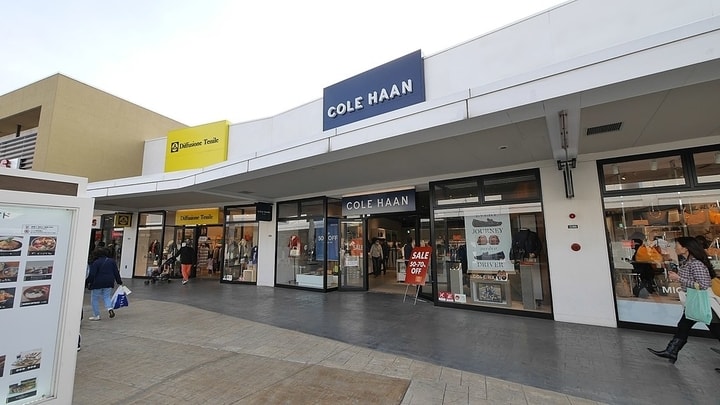
Cole Haan
Claire’s
Lots of women have fond memories of Claire’s. It was their go-to place in any mall for girls’ jewelry and accessories. They would even get their ears pierced there for the first time. However, this store was first established in 1961, but it doesn’t seem like it will be part of the future young girls’ memory any longer. By May 2018, it had shut down 130 stores.
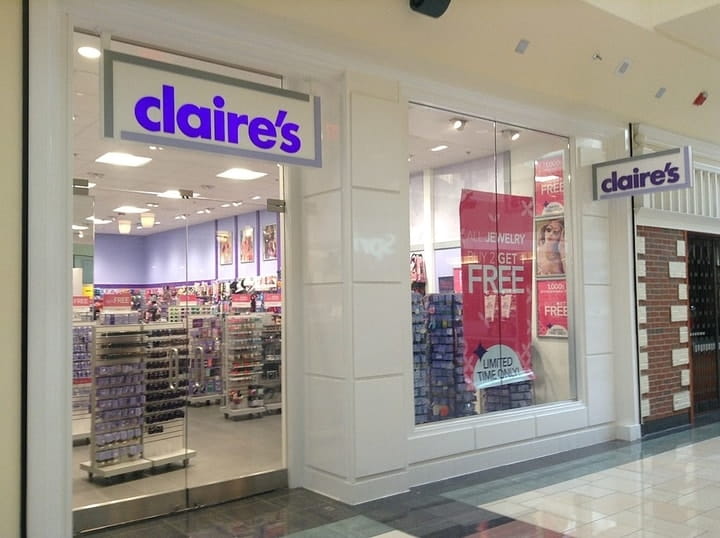
Claire’s
Eddie Bauer
This outdoor company had some problems with debt. Back in 2017, Golden State Capital, the company’s owners, was considering selling the company in order to solve their financial problems. That same year, their credit ranking was downgraded by S&P Global. However, this challenge was not new since the company came back from bankruptcy in 2009.
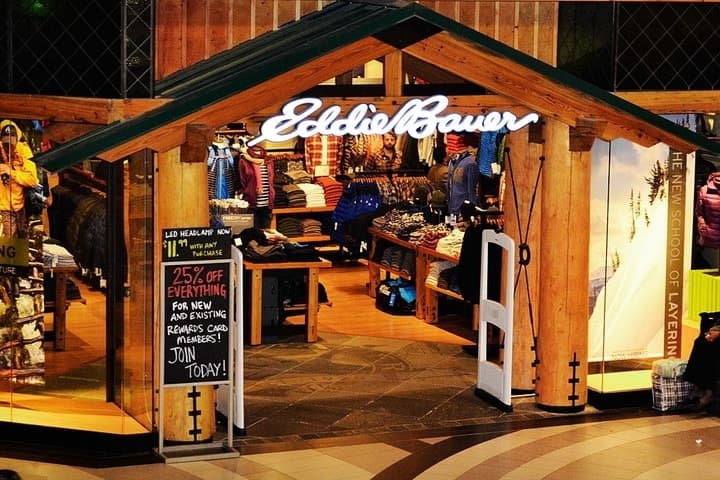
Eddie Bauer
PetSmart Inc.
The pet products retailer has more than 1,500 stores in Canada, Puerto Rico, and the U.S. The main cause of PetSmart’s problems is more or less the same as others. More and more consumers are turning to e-commerce nowadays since it’s more convenient and sometimes offers cheaper prices. PetSmart did buy Chewy which is an e-commerce site, but the $3.35 billion expense for the site only added to the company’s existing debt.
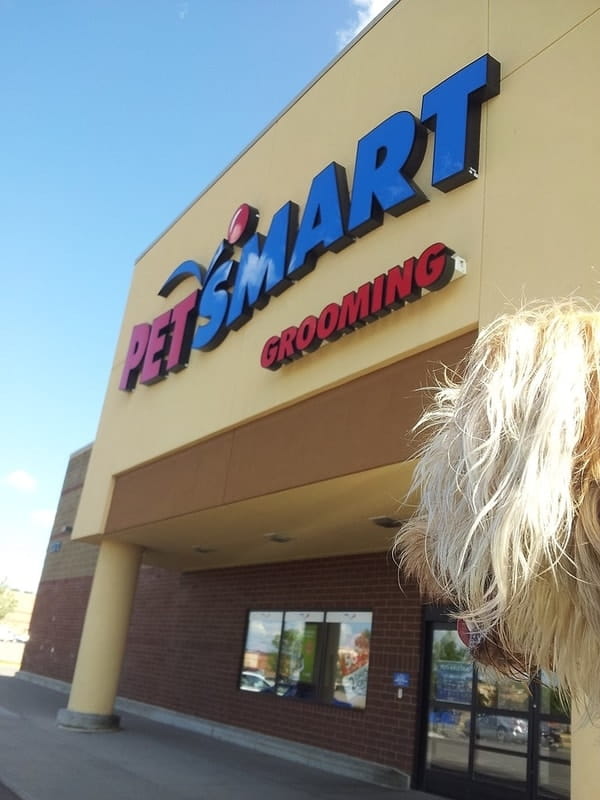
PetSmart
Stein Mart
The discount department store based in Jacksonville has been struggling with its sales. However, it is seeing some light in the tunnel. Stein Mart has managed to some balance into their sales and increased their digital revenue by 47% in the last half of 2017. The company did report a $23.4 million bottom-line loss for the year, but they also added that the loss was decreased by 10%.
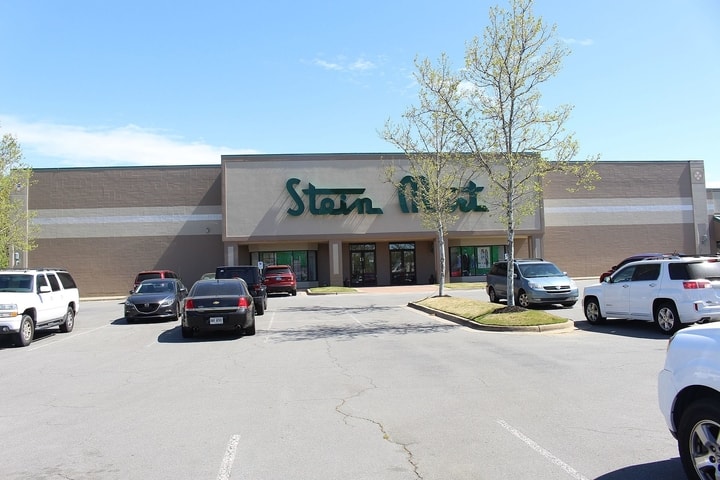
Stein Mart
Fred’s Pharmacy
In May 2018, Fred’s Pharmacy reported that its gross sales for the previous fiscal year had dropped by 4.3% and its bottom-line loss reached $139.3 million. The company tried establishing 1,000 stores around the U.S., increasing from the 600 stores it already had. However, the plans fell through. It ended up selling to CVS for $40 million.
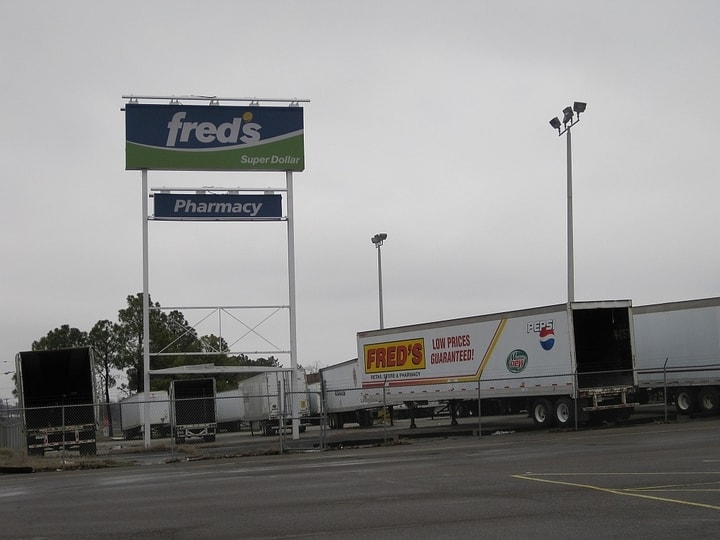
Fred’s Pharmacy
FullBeauty Brands Holdings Corp
FullBeauty owns brands for plus-size women and men like Woman Within, fullbeauty.com, Jessica London, Ellos, Roaman’s, Brylane Home, and KingSize. This retailer is another one to blame the e-commerce giant, Amazon, for its declining sales. Apax Partners, the owner of FullBeauty, included this reason in the message they sent to their lenders in 2017.

FullBeauty
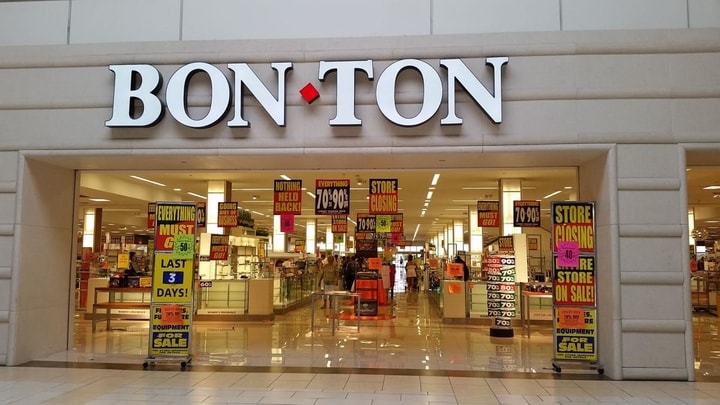
Bon-Ton
Believe it or not, Bon-Ton has been around for 100 years! Just as the saying goes, all good things must come to an end. The department store and online retailer filed for bankruptcy. After that, it was sold and liquidated. However, in October 2018, it relaunched its site and announced plans to reopen some of its stores.
Bon-Ton
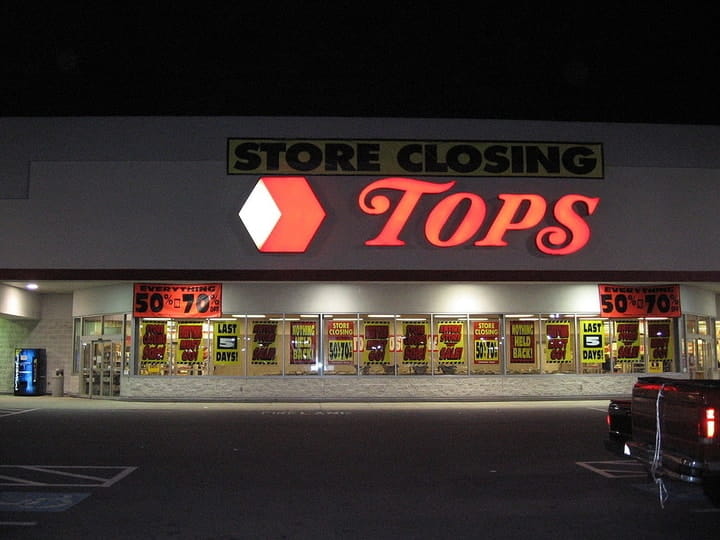
Tops Market
The most common reason for a company to file for bankruptcy is the failure to keep up with the changing interest of their consumers. This is the case with Tops Market. With more shoppers interested in non-traditional food sellers, competition, and falling food prices, Tops Market had no choice but to file for Chapter 11 bankruptcy. The grocery chain will keep most of its stores open in Pennsylvania, Vermont, and New York, however.
Tops
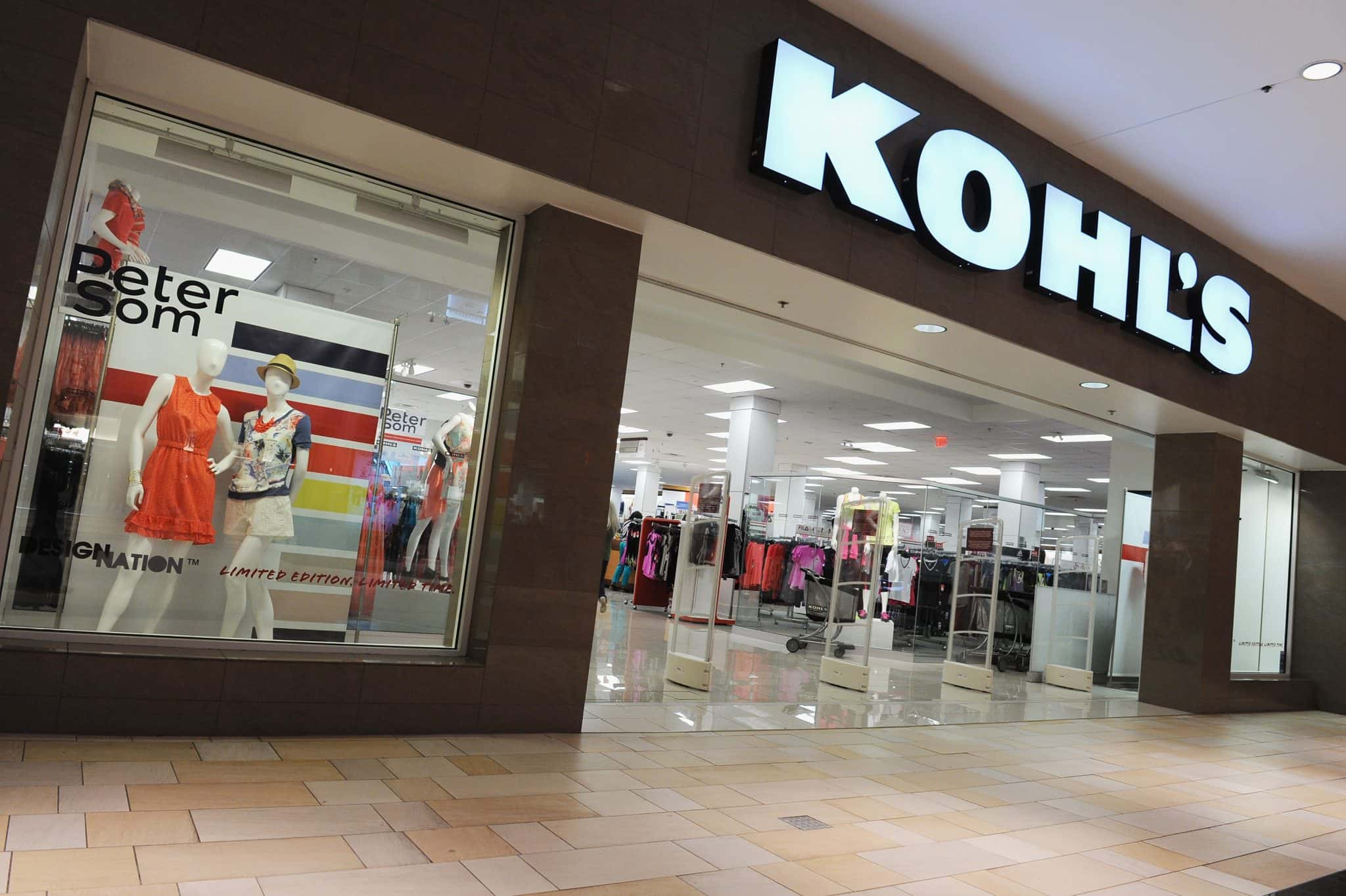
Kohl’s
Kohl’s is set to close four stores based in or near malls by the end of this year. The company is only doing this to prevent itself from going through the same pitfalls that other mall-centered companies did. The retailer has said the shops closing are its “lower-performing” stores. It also reassured everyone from those locations would be offered severance packages or jobs at other stores. If anything, it’s quite a relief to hear that the closures were a preventative measure rather than an urgent decision.
Kohl’s
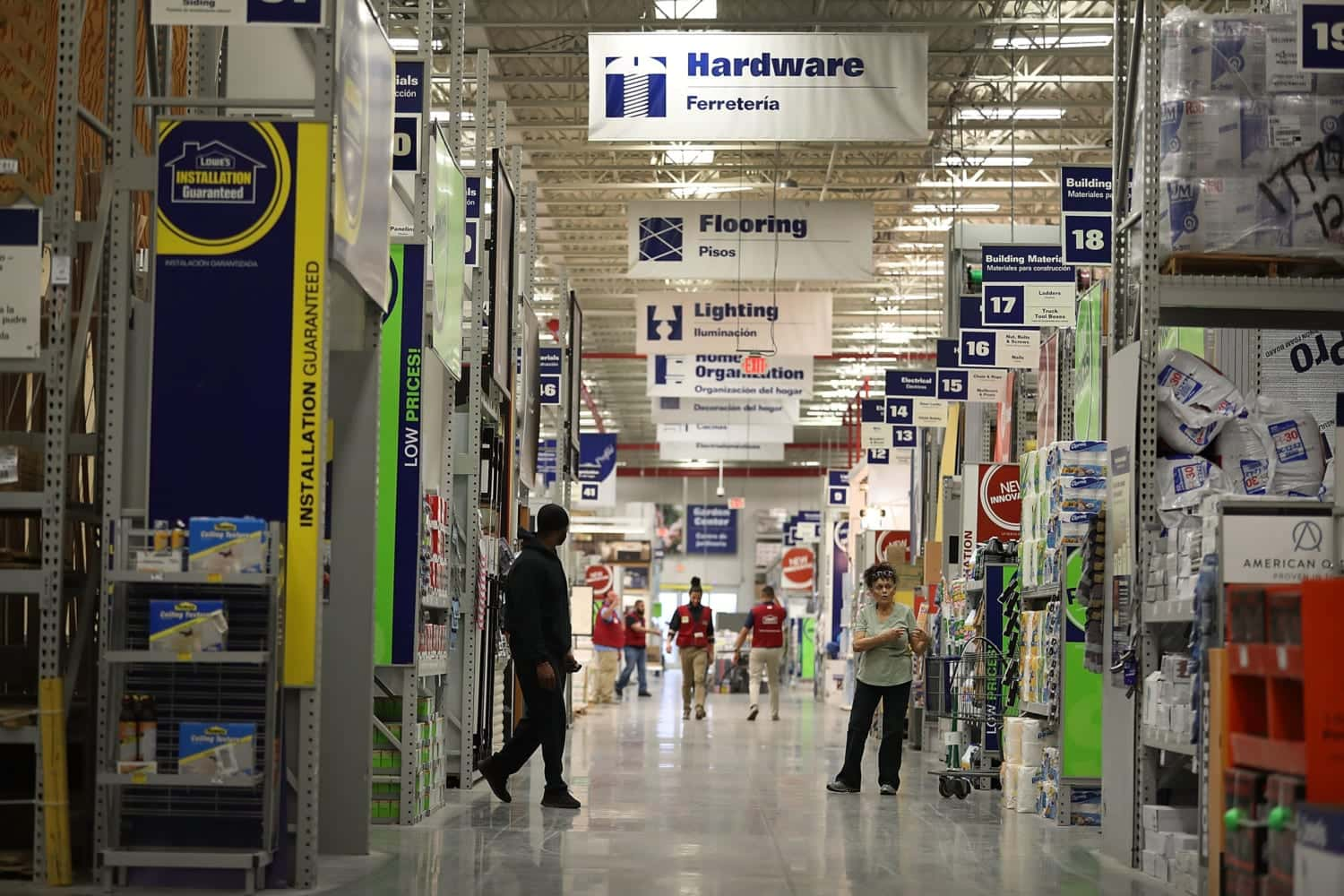
Lowe’s
This year, the popular home and garden store has already shut down 51 of its underperforming stores. Out of them, 20 were in the United States and 31 in Canada. In late 2018, Lowe’s announced its plan. The company made this move not long after Marvin R. Ellison, former CEO of J.C. Penny, took over the company after the retirement of CEO Robert Niblock.
Lowe’s
Signet Jeweler
Under the following banners, Signet Jewelers operates more than 3000 stores: Kay Jewelers, Zales, Jared, H. Samuel, Ernest Jones, Peoples, and Piercing Pagoda. In June, the company said it expects to close 150 U.S. stores and 80 UK stores immediately and would close 150 more stores before the end of the year.

Signet Jeweler
Papyrus
After its parent company filed for bankruptcy, Papyrus, the greeting card, and the stationery chain will close all of its stores in the United States and Canada, another casualty of the long-running collapse of mall-based retail. Schurman Fine Papers, which runs 254 stores, including the brand Papyrus as well as the chains of American Greetings and Carlton Card, filed for relief from bankruptcy. All three store chains will close, but other retailers will still have the branded cards they sell available.

Papyrus
Tuesday Morning
Tuesday Morning is one of the retailers to file for bankruptcy related to the coronavirus pandemic and announce store closings. About 100 additional stores will shutter in the second round of closings after the company tries to renegotiate leases. There would be stores closing across 30 states, in which California has the highest number of stores closing with 17 of its 60 locations. Florida is losing 16 of its 65 locations.

Tuesday Morning
Walgreens
Walgreens announced in August that it planned to close 200 US locations under a multi-year cost-cutting program. The company has not revealed any further details about the timing or location of the closings. The new round of closings is in addition to a previously announced cut of 750 US stores, which Walgreens has said it expects to complete by the end of this year.

Walgreens
Wilsons Leather and G.H. Bass
G-III Apparel Group, which owns DKNY, Donna Karan, Calvin Klein, Tommy Hilfiger, and other brands, said in June that it intends on closing all 110 of its Wilsons Leather stores and all 89 of its G.H. Bass shops, depending on coronavirus limits, immediately or as soon as stores reopen.

Wilsons Leather And G.H. Bass
FOREVER 21
Forever 21, stylized as FOREVER 21, is an American fast fashion retailer headquartered in Los Angeles, California. After filing for Chapter 11 bankruptcy protection in September, FOREVER 21 said it planned to close 350 stores globally, including up to 178 outlets in the US. Many of these closures will start in early 2020, business filings show.

FOREVER 21
Modell’s
The century-old family-owned sporting goods chain, Modell’s Sporting Goods, has filed for Chapter 11 bankruptcy and will shutter its remaining 115 stores. It is the first traditional retailer to succumb to a world that is changing rapidly. Established in 1889 by Morris A. Modell, according to the company’s website, the first Modell store was located on Cortlandt Street in lower Manhattan. The chain, which is owned by the Modell family’s fourth generation, built the company into a chain of over 150 stores in the Northeast.

Modell’s
A.C. Moore
The craft-store chain A.C. Moore will close down all 145 of its stores. In November, A.C. Moore’s parent company, Nicole Crafts, announced the closings and said it would turn about 40 locations into Michaels stores. Plans for the closings will be shared in the coming weeks and the A.C., according to the group. On Monday, Moore’s website will stop accepting online orders. Orders placed previously will still ship, the company said.

A.C. Moore
Art Van Furniture
In March, Art Van Furniture filed for Chapter 11 bankruptcy and said it intended to shutter all of its Michigan, Indiana, Illinois, Ohio, and Missouri company-owned stores, along with eight Maryland and Virginia Wolf Furniture stores. The company claimed in its bankruptcy filing that it operates 169 stores and expects to sell 44 of those locations. They will close the remaining stores.

Art Van Furniture
Bose
In North America, Europe, Japan, and Australia, Bose plans to close its entire retail store footprint. The company announced the decision earlier today and pointed to the fact that the reasoning is that its headphones, speakers, and other products “are increasingly purchased through e-commerce”. As a result, hundreds of workers will be laid off.

Bose
Guess
The fashion brand Guess said in June that it plans to close about 100 stores over the following 18 months in the US and China. “The recent store performance and expected demand under our new normal model made it very clear that our store portfolios around the world could be optimized to increase profitability.” Guess CEO Carlos Alberini announced during an earnings call. The closings represent about 9% of the company’s store network.

Guess
Earth Fare
In February, the supermarket chain Earth Fare said that it would shut all its shops. The company said it made the decision to start liquidating its stores due to “continued challenges in the retail industry that impeded the company’s progress as well as its ability to refinance its debt.”

Earth Fare
Lucky’s Market
The Lucky’s Market regional grocery chain is closing most of its stores and laying off thousands of workers in February, the South Florida Sun-Sentinel announced. According to the Sun Sentinel’s report, Lucky’s plans to close 32 stores by February 12 and lay off around 2,500 staff. There was no response from Lucky’s Market to requests for comment.

Lucky’s Market
Hallmark
According to local media reports and posts to Facebook by store owners, at least 16 Hallmark-branded stores in the US will close in 2020. Social media is destroying the greeting card market, said Rich Schauer, who is closing his Hallmark store in Forest Park, Illinois. “It’s just not a viable business any longer. People used to buy and send cards all the time. It’s all online now. Everyone celebrates their birthdays on social media.” Schauer said to Forest Park Review.

Hallmark
Francesca’s
At the end of the second quarter, Francesca’s had 700 outlets, so the 140 stores to close make about 20 percent of the overall stores. The retailer also said that by looking at lease deferrals and further reducing operating costs, it is “evaluating various alternatives to improve its liquidity and financial position” According to the filing, it plans to incur charges of $29 to $33 million.

Francesca’s