
Macy’s
Macy’s is the latest department store chain to announce a wave of location closures over the next few years. The retailer stated in January that 45 shops would close permanently in 2021. According to CNBC, the closures are part of Macy’s bigger plan to eliminate 125 locations by 2023, limiting the company’s presence to high-end shopping complexes.

Macy’s
Bed Bath & Beyond
Bed Bath & Beyond announced plans to close 200 stores the prior year. In addition, 200 more outlets will close by 2021. As of February 2021, the company had 43 locations that were permanently shuttered. Closures occurred in 19 jurisdictions, with California having the most with nine.

Bed Bath & Beyond
Express
Express said 2020 that it would be closing a hundred shops by 2022. At the start of 2020, the first of these was 31 stores spread over 20 states. By January 2021, the plan was to close 35 more locations. In the coming year, there are projected to be another 25 closures.

Express
Office Depot
The reorganization plan proposed by Office Depot last spring would extend until 2021. By 2023, the office supply company will liquidate an unspecified number of outlets and lay off more than 13,000 workers. According to sources, the measures are part of the company’s continuous cost-cutting efforts as it converts from a typical retailer to a provider of IT services.

Office Depot
Walgreens
Walgreens is currently closing 200 shops across the United States. The first known closures occurred in the year 2019. They account for less than 3% of the total number of stores. For the record, there are 9,600 Walgreens stores around the world right now.

Walgreens
The Children’s Place
The Children’s Place is closing a number of facilities around the world this year. The children’s clothes shop stated last year that 200 locations would close in 2020 and another 100 by the end of 2021. Despite the fact that it primarily targets “mall-based” locations, the corporation has not revealed which stores will close, according to “Today.”

The Children’s Place
J.C. Penney
After declaring bankruptcy and liquidating more than 150 stores last year, J.C. Penney will close more stores this spring. The department store company stated in December that 15 more stores would close by the end of March 2021. “We also decided to close an additional 15 stores as part of our shop optimization plan, which started in June with our financial restructuring,” J.C. Penney said in a statement to USA Today. “These stores will launch liquidation sales later this month and close to the general public in mid to late March.”

J.C. Penney
Francesca’s
Francesca stated in November 2020 that it would close 140 stores by the end of January 2021. In December, the women’s boutique network filed for Chapter 11 bankruptcy, with the intention of selling the business, including its physical sites. According to a statement sent to USA Today, the firm now maintains 558 locations but “plans to renegotiate a variety of leases through this process, which could entail closing new boutiques.”

Francesca’s
Signet Jewelers
Signet Jewelers, which operates under the names Kay Jewelers, Zales, Jared The Galleria Of Jewelry, and Piercing Pagoda in various cities across the world, is closing even more stores this year. The diamond jewelry company acknowledged in 2020 that it would not reopen at least 150 outlets in North America that had been temporarily closed because of the COVID-19 epidemic in March. Another 150 locations will close before the end of February 2021.

Signet Jewelers
Pet Valu
The list of businesses that have shuttered as a result of the coronavirus outbreak now includes Pet Valu. The pet supplies retailer announced in November 2020 that it would close 358 locations and warehouses across the United States. As a result, despite the fact that closing sales have already begun in markets throughout the world, customers will no longer be able to place orders on the company’s website.

Pet Valu
Justice
Justice will permanently close more than 600 facilities in 2020. We regret to inform you that this was not the end of it. Its parent firm, Ascena Retail Group Inc., announced plans to close the tween girl chain in November. All remaining locations were closed early this year.

Justice
GameStop
GameStop expects to close even more locations in 2021, after closing hundreds in the previous two years. The video game retailer announced plans to close over 1,000 outlets before the end of its fiscal year in March December. The closures come after nearly a decade of financial difficulties for the gaming juggernaut, which is still trying to repay its debts after a $458 million net loss in 2018.

GameStop
Sears
Since declaring bankruptcy in 2018 and liquidating the majority of its stores over the preceding two years, Sears, which Transformco owns, has suffered a huge reduction in sales. CNN reports that the ailing company is in the process of a “slow-motion liquidation,” and that it would commence liquidating stores as soon as possible next year, as well as marketing certain locations through commercial real estate agents.

Sears
The Disney Store
Disney stated on March 3 that about 60 of its Disney Stores in North America would close by the end of 2021. According to the organization, e-commerce, social networking, and theme park purchasing endeavors would be favored. The corporation had 330 sites throughout the world as of 2016, with 200 in North America.

The Disney Store
Kmart
Kmart, which is owned by Transformco, the same corporation that owns Sears, is also closing its doors. The number of stores in the company has been reduced to just 48, with further closures predicted in the coming year as the commercial real estate industry recovers.

Kmart
H&M
Following the closure of 180 stores in 2020, H&M expects to close another 250 stores in 2021. The coronavirus outbreak and the growing trend of internet shopping affected the retailer’s decision. H&M CEO Helena Helmersson remarked on Good Morning America, “More and more shoppers began shopping online after the pandemic, and they are making it evident that they enjoy a comfortable and empowering environment in which shops and online connect and reinforce each other.”

H&M
Victoria’s Secret
Victoria’s Secret is anticipated to close more stores in the next two years after closing 250 stores in the United States and Canada last year. During a May 2020 earnings call with investors, Victoria’s Secret CEO Stuart Burgdoerfer officially addressed the planned closings. According to USA Today, he said, “We will anticipate a meaningful amount of incremental store closures outside the 250 that we’re pursuing this year, suggesting there will be more in 2021 and perhaps a little more in 2022.”

Victoria’s Secret
Gap
Over the next two years, Gap plans to dramatically cut its physical footprint. Gap Inc. said in October 2020 that by the end of 2023, it would close 220 Gap shops across North America. The closures are part of the retailer’s strategy to concentrate on city centers and stores rather than malls.

Gap
Banana Republic
Several Banana Republic locations will close, which are also owned by Gap Inc. By 2023, the business intends to close 130 Banana Republic outlets. The chain would close 350 stores, or approximately a third of its North American outlets, between Banana Republic and Gap.

Banana Republic
Carter’s
While their leases expire in the coming months, Carter’s has opted to close hundreds of locations indefinitely. The children’s clothes and accessories retailer revealed intentions to liquidate roughly 200 stores in October 2020, with about 60% of those sites closing by the end of 2021. The stores that are now open will close at the end of 2022.

Carter’s
American Eagle
After announcing intentions to eliminate 40 to 50 American Eagle stores by 2020, they may close more this year. Executives announced last October that the company might eliminate up to 500 outlets when leases expire over the next two years. According to Chief Financial Officer Mike Mathias, the retailer considers “leasing tenure, mall profile, proximity to other stores, and consumer experience level,” when deciding which stores should close permanently.

American Eagle
Zara
Zara is shifting its focus away from brick-and-mortar stores and toward online transactions in the wake of the coronavirus pandemic. Inditex, the holding company for the garment industry, stated last summer that it would close up to 1,200 stores globally over the next three years, beginning in 2020. The corporation also intends to invest $3 billion in digital initiatives, including hiring additional online customer care personnel.

Zara
Men’s Wearhouse
The parent company of Men’s Wearhouse and Jos. A. Bank, Tailored Brands, stated last summer that almost 500 stories will be closed “over time.” The COVID-19 pandemic affected the men’s apparel retailer hard as buyers relocated to remote work and had less need for formalwear. Nonetheless, the company is steadily rebounding after filing for bankruptcy in August and exiting the last stages of the Chapter 11 proceedings in November.

Men’s Wearhouse
Chico’s
This year, the clothing retailer will accomplish precisely what it claimed in 2019 that it would do. It aims to close 250 stores over the next three years starting then. Chico’s plans to downsize its physical presence and restructure its operations and sales to focus on the internet, similar to many other corporations throughout the world.

Chico’s
Abercrombie & Fitch
The four most prominent flagship sites of Abercrombie & Fitch will close at the end of January 2021. The closures would mostly affect London, Paris, Munich, and Dusseldorf, Germany, and were planned prior to the COVID-19 epidemic. In addition, three additional important stores will close this year when their leases expire in Brussels, Madrid, and Fukuoka, Japan.

Abercrombie & Fitch
Nine West
Nine West is looking to restructure its debts by selling off parts of the company and filing for Chapter 11 bankruptcy protection. The company’s $1.5 billion debt made all of this feasible. As a result, the shoe retailer has chosen to phase out its Easy Spirit line and close all but 25 of its stores. The company wants to focus on jewelry and clothing companies such as Anne Klein, One Jeanswear Group, and Kasper Grouper.

Screenshot 12
Payless
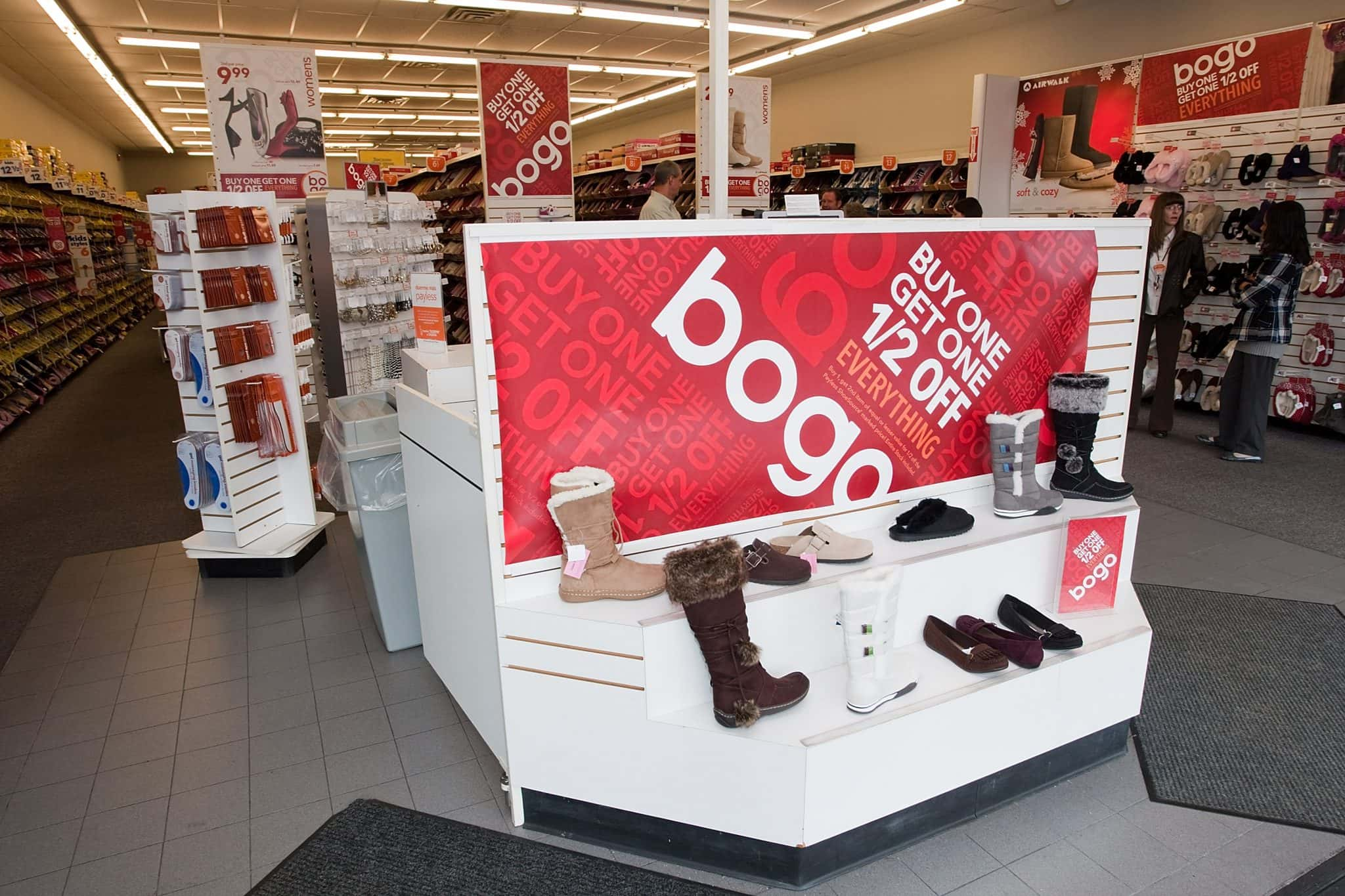
This year, Payless ShoeSource has the most shop closures planned. The corporation aims to close over 2,500 stores and hold clearance sales in order to get rid of its stock and sell its stores. Some shops will remain open until the end of May, while others will shut down by the end of March.
Payless
Gymboree
In mid-January, Gymboree Group Inc, a children’s clothing store, filed for Chapter 11 bankruptcy. In addition, they announced the closing of about 800 Gymboree and Crazy 8 stores in the United States and Canada. It has also put an end to online transactions and started liquidation sales in its stores. For the second time in the previous two years, Gymboree has declared bankruptcy. The firm closed a number of locations in 2017.
Gymboree
Charlotte Russe
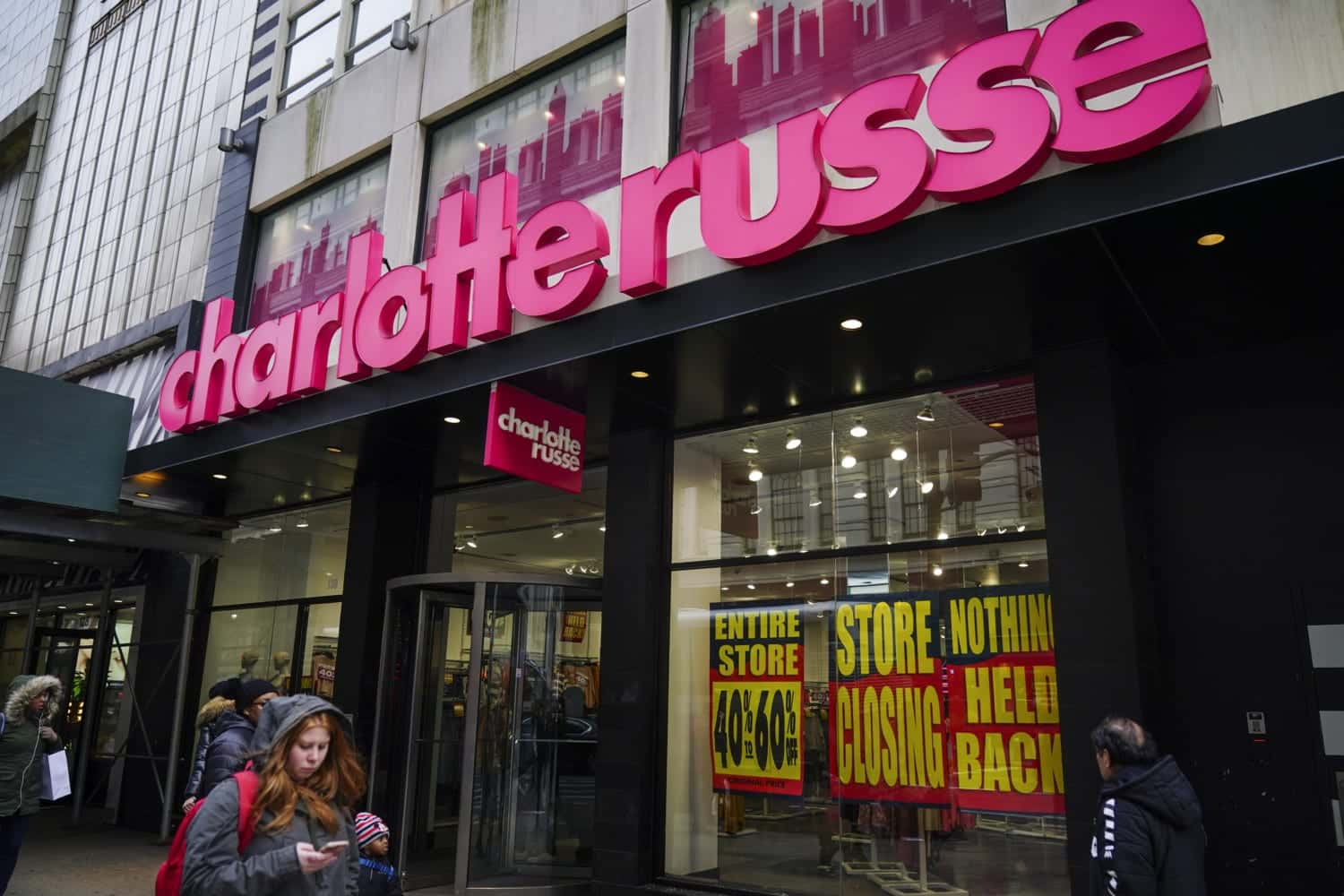
Charlotte Russe announced the closure of the whole franchise in March 2019. Yes, it applies to over 500 locations across the United States. 94 locations had already been announced as being closed by the corporation. All of the others have shut down by April 30, 2019. Although the company no longer accepts online orders, things are still available through liquidation sales in select areas.
Charlotte Russe
Starbucks
In the summer, Starbucks announced the permanent closure of 150 underperforming locations. This is three times the amount it regularly closes for the fiscal year. The closures, however, would have an impact on large cities with oversaturated marketplaces, according to the business. In some places, the coffee chain branches are just competing against one another.
Starbucks
Christopher & Banks
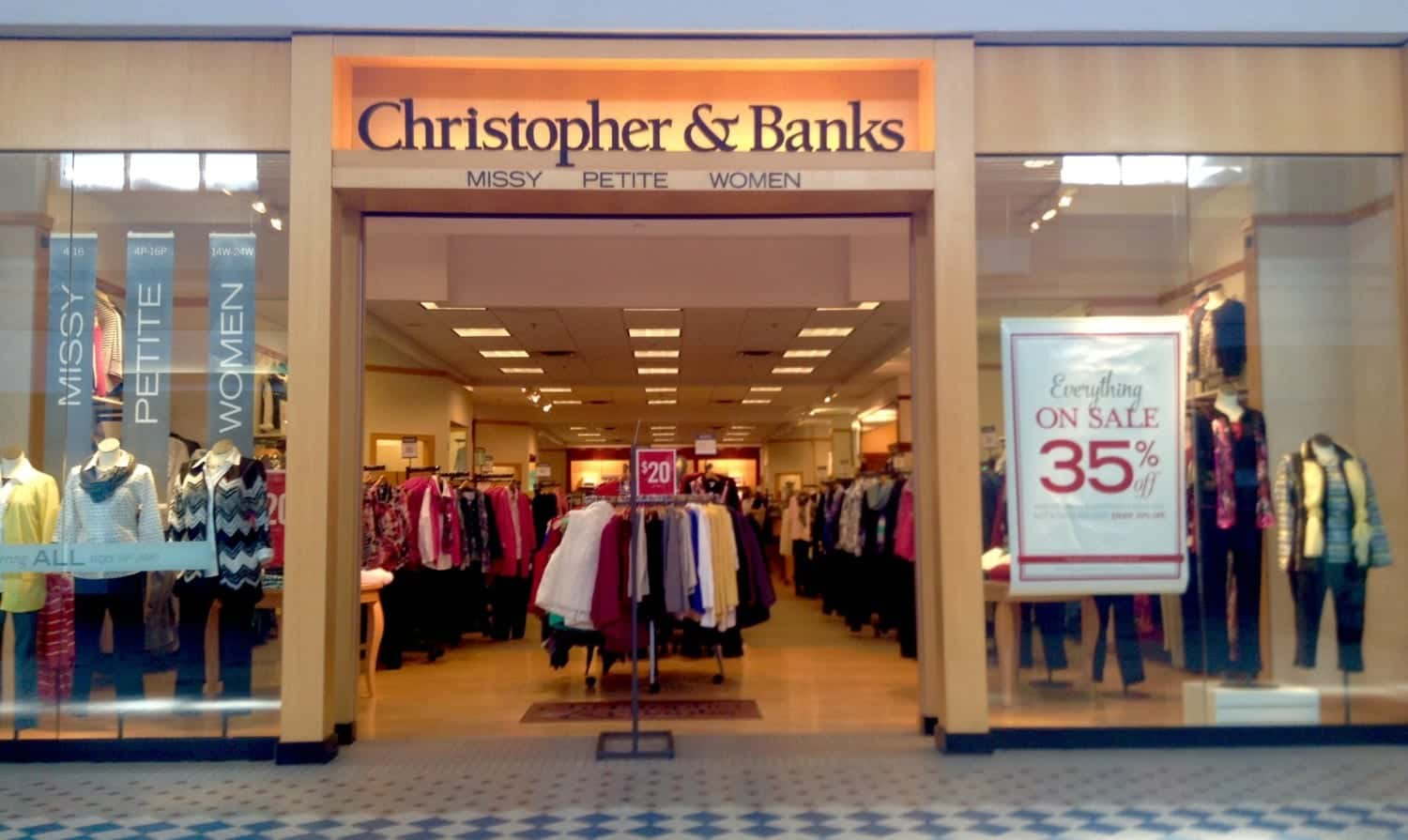
In late 2018, Christopher & Banks revealed that 30 to 40 of their outlets would close by 2020. However, this does not suggest that the company’s revenues are decreasing. On the other hand, the company’s e-commerce sales have increased. It is also anticipated to soar much higher this year!
Christopher & Banks
e.l.f Cosmetics
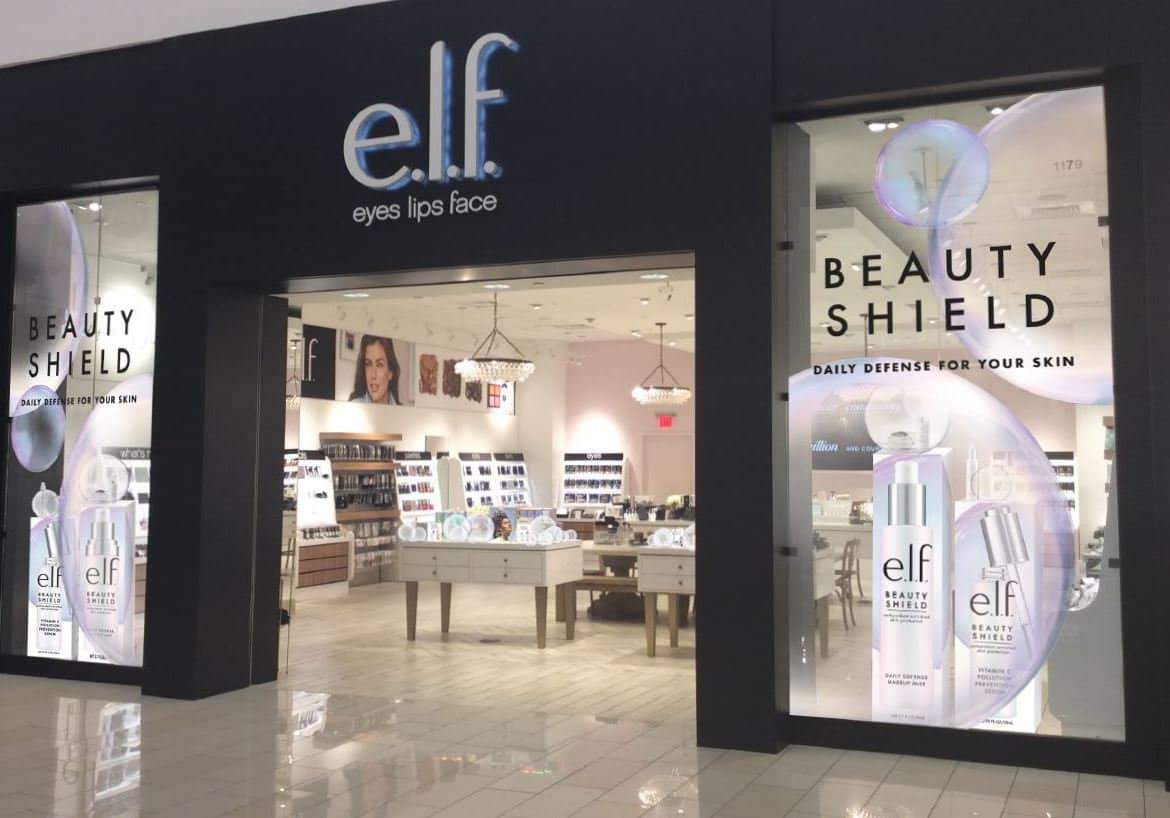
Like the other brands on the list, e.l.f cosmetics intends to close physical locations and focus on e-commerce instead. Twenty-two of its outlets had closed by the end of March 2019. However, customers of this brand need not worry because their items are still available on the official website and in drugstores around the country.
elf
Destination Maternity
Destination Maternity Corp. intends to focus less on its retail presence in order to reinvigorate the firm and enhance e-commerce sales. By the end of the year, the store closures are likely to affect 42 to 67 locations. They did it to save money at the store and expand their internet presence. According to USA Today, the corporation also plans to create smaller stores “with reduced square footage to drive higher productivity.”
Destination Maternity
Foot Locker
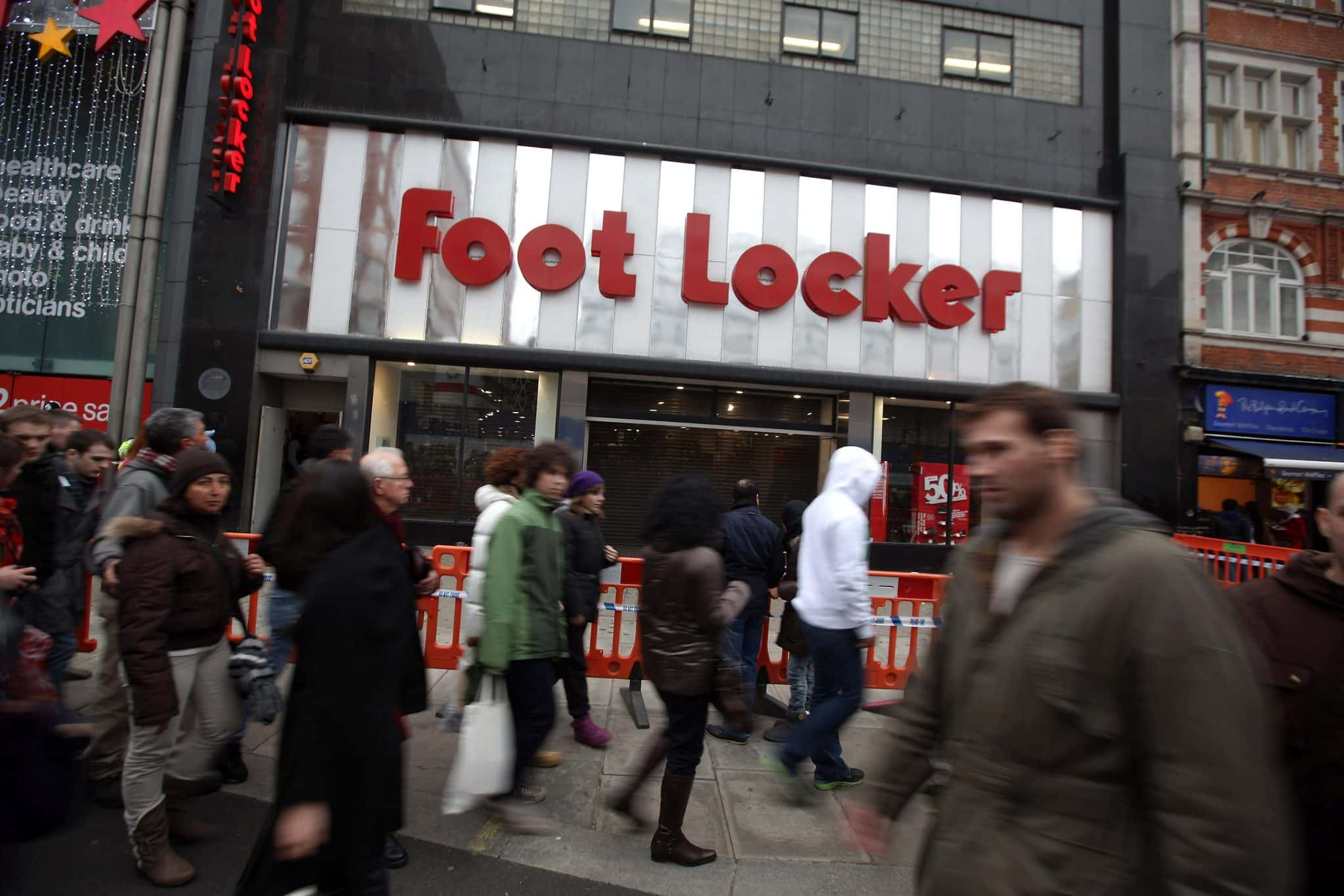
In March 2019, Foot Locker Inc. announced the closing of 167 shops. It planned to double down on its commitment and pour millions of dollars into the remaining sites. To boost profit margins, this choice was made. The retailer’s performance in the fourth quarter of 2018 astonished its stockholders.
Foot Locker
J. Crew
J. Crew appears to be all over the headlines these days. Following the resignation of its CEO in 2018, the company kicked off the new year by closing six outlets in January. This round of store closures is part of a bigger plan to close 30 locations. They made the proposal public last summer. However, we still don’t know which stores they plan to close in order to meet their goals.
J. Crew
Vitamin Shoppe
Vitamin Shoppe is experiencing issues comparable to GNC’s. They are focused on e-commerce and building a subscription business to circumvent these challenges. Top-line sales were $1.2 billion in 2017, down 8.5 percent from the prior year. The reduction in the popularity of shopping malls, as well as the growth of competitors, are to blame for the problem. We’re hopeful that their new product categories, shipping services, and marketing events will help them break free from this rut soon!

The Vitamin Shoppe Store
Bebe
Bebe’s sales began to drop after Neda Mashouf, the creative director and wife of founder Manny Mashouf, departed the company. In 1979, the logo was designed. As shopping malls faded away, the corporation had to deal with a plethora of challenges. Last year, Bebe suffered a $4.6 million operating deficit. It also paid $65 million to close retail locations and focus on e-commerce.
Bebe
David’s Bridal
Expensive wedding gowns and ceremonies look to be a thing of the past. Increasingly, brides are opting for less expensive weddings and more informal clothes. This is awful news for bridal gown sellers like David’s Bridal. The popularity of this brand is steadily dwindling. They also have a $520 million loan due in 2020, as well as $270 million in unsecured notes.

David’s Bridal
Bon-Ton
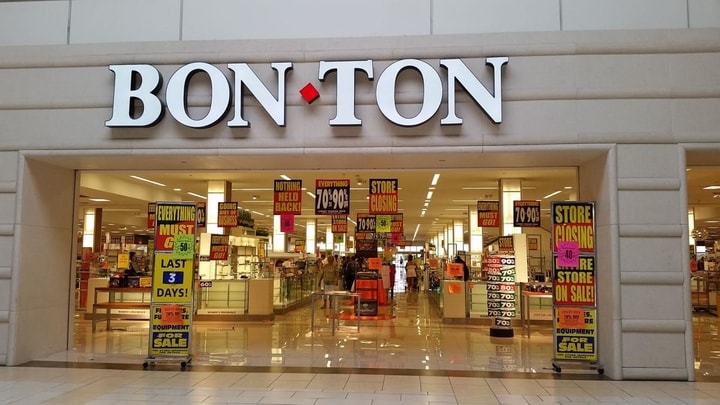
The online retailer and department store Bon-Ton has been in business for a century, but it’s time to say goodbye. Last year, the retailer declared bankruptcy and closed all of its shops. It did, however, reopen for e-commerce and reopen a few storefronts in 2018. Because they operated in small communities with little competition, they were initially quite successful. Amazon, of course, changed all of that.
Bon-Ton
Claire’s
Claire’s began as an accessories boutique in 1961. It was a favorite store of many young American ladies for a long time. The company, on the other hand, postponed its IPO in 2018 and filed for Chapter 11 bankruptcy protection. In May of that year, it closed more than 130 outlets across the country.

Claire’s
Southeastern Grocers
Supermarkets are also experiencing sales issues. Southeastern Grocers, which owns Winn-Dixie, Bi-Lo, and Harveys, has announced the closure of 22 of its shops by March 25, 2019. The corporation recovered from its Chapter 11 bankruptcy case in less than a year. During that time, 94 shops were forced to close. With 13 outlets due to go, Bi-Lo will be the most impacted of the three brands it controls.
Southeastern Grocers
Shopko
Shopko had previously stated that it planned to close 70% of its stores by May 2019. Later, they reversed their decision and stated that all of the stores would be permanently closed. In January 2019, Shopko filed for bankruptcy, hoping to find a buyer who could assist it get out of this crisis. It was unable to locate a buyer and attempted to dispose of all of its assets but was unsuccessful. As a result, it had closed all of its locations by June 2019.
Shopko
Performance Bicycle
We have some terrible news for you if you enjoy cycling. The largest bicycle retailer in the country has shuttered its doors. The last of its 104 stores shuttered on March 2. Advanced Sports Enterprises filed for bankruptcy last October. By attempting to renegotiate leases, it aimed to save at least half of its locations initially. Regrettably, it had no choice except to fold and close the company.

Performance Bicycle
Lowe’s
Lowe’s is a well-known store that sells home and garden supplies. The corporation has already shut down 51 locations that were all underperforming. In the year 2019, the closures took happened. It shuttered 20 locations in the US and 31 in Canada. The company revealed its plans in late 2018, with the goal of closing all of its locations by February 1, 2020. The decision to close stores was taken when veteran CEO Robert Niblock retired and was replaced by former J.C. Penney CEO Marvin R. Ellison.
Lowe’s
Vera Bradley
Vera Bradley is changing its business approach, opting for licensing over physical locations. Instead, Bed Bath & Beyond and Macy’s are being considered as potential retailers for home items. By 2021, it plans to close up to 50 of its 110 locations. At that time, several of the leases will be up for renewal. However, 52 Vera Bradley factory stores remain open for business, allowing customers to shop in person.
Vera Bradley
Henri Bendel
In early 2020, Henri Bendel closed all of its 24 locations across the country. In the fall of 2018, the parent company, L Brands, announced that the whole brand, including its website and famed Fifth Avenue presence, would be shut down. Instead, the corporation decided to focus on high-potential brands such as Victoria’s Secret and Bath & Body Works.
Henri Bendel
Family Dollar
Dollar Tree, a discount retailer, has stated that 390 Family Dollar stores will close by 2020. Customers would have to go elsewhere for personal care goods and other requirements. This company also renamed around 200 branches. It also aims to make further modifications. They are planning to boost the prices of their products at a few stores in the near future.
Family Dollar
J.C. Penney
For long years, J.C. Penney has been a mall mainstay, but its sales have been decreasing for several months. Furthermore, it had a dry spell over the holiday season, resulting in a decline in stock value. The business has chosen to close 18 department stores by 2020 as a result of these concerns. Not only that but nine furniture outlets will be shuttered. A total of 27 locations will be closed as a result of this.
J.C. Penney
Z Gallerie
Z Gallerie is a luxury furniture store. It has lately been added to the list of retailers that have filed for bankruptcy. The company is reportedly looking for a buyer who can help it escape bankruptcy, according to reports. Until then, the corporation is closing 17 locations across the country or around 20% of its total.
Z Gallerie
Beauty Brands
In 2018, Beauty Brands announced the closure of 25 of its outlets around the world. In January of that year, the company filed for bankruptcy, and its corporate personnel was halved. The company’s bankruptcy application argued that it was suffering from rising operational costs since it was a “predominantly brick and mortar retailer.”

Beauty Brands